Short answer: any decorated garment can change with wear and washing, but the failure mode depends on the construction. A surface print can crack, lift, or abrade. Sublimated color does not form a peelable surface film, but the fabric and color can still fade or wear. Embroidery does not crack like ink, but thread can snag, break, or pucker.
There is no reliable universal wash count based only on the words “screen print,” “DTF,” “sublimation,” or “embroidery.” The exact garment, decoration system, artwork coverage, application, use, and care all matter.
If a print cracks, lifts, or washes out after the first few washes, photograph the problem, keep the care label and order details, and ask the supplier to inspect the exact garment and decoration specification. Do not try a hotter dryer, iron, solvent, or improvised re-press before the supplier identifies the system; an early failure does not prove one cause by itself.
Start with the type of failure—not a durability ranking
If a finished shirt changes early, the visible symptom helps identify what to ask the supplier.
| What you see | More likely issue | What to confirm |
|---|---|---|
| A transfer edge lifts | Adhesive, pressing, fabric treatment, or care mismatch | Transfer system, fabric compatibility, time, temperature, pressure, and rework standard |
| Fine cracks through a solid print | Thick coverage, repeated stretching, curing, abrasion, or heat | Print dimensions, negative space, cure check, garment stretch, and care instructions |
| Color weakens without peeling | Pigment or dye loss, UV exposure, abrasion, or fabric wear | Decoration type, intended use, colorfastness evidence, and outdoor limits |
| A light print changes color on polyester | Dye migration from the garment into the decoration | Low-bleed controls, test result, garment color, and production settings |
| Thread snags or the fabric puckers | Stitch density, stabilizer, garment structure, or abrasion | Stitch count, backing, placement, edge finish, and decorated sample |
| The whole shirt twists, shrinks, or pills | The blank garment or care process—not only the decoration | Exact blank, fiber content, measurements, care label, and fabric choice |
This distinction matters because replacing the print method will not fix a weak blank, and choosing a heavier shirt will not correct an incompatible transfer.
Compare how the five methods age
| Method | Decoration construction | What can change | Main questions before approval |
|---|---|---|---|
| Screen print | Cured ink layer | Cracking, washout, abrasion, or fading when ink, cure, garment, coverage, or care do not work together | Ink system, cure verification, stretch or wash test, coverage, garment, care |
| DTF | Printed film plus heat-activated adhesive | Edge lift, cracking, migration, heavy feel, or abrasion when film, powder, pressing, fabric, or coverage are mismatched | Transfer system, fabric test, pressing, migration, artwork coverage |
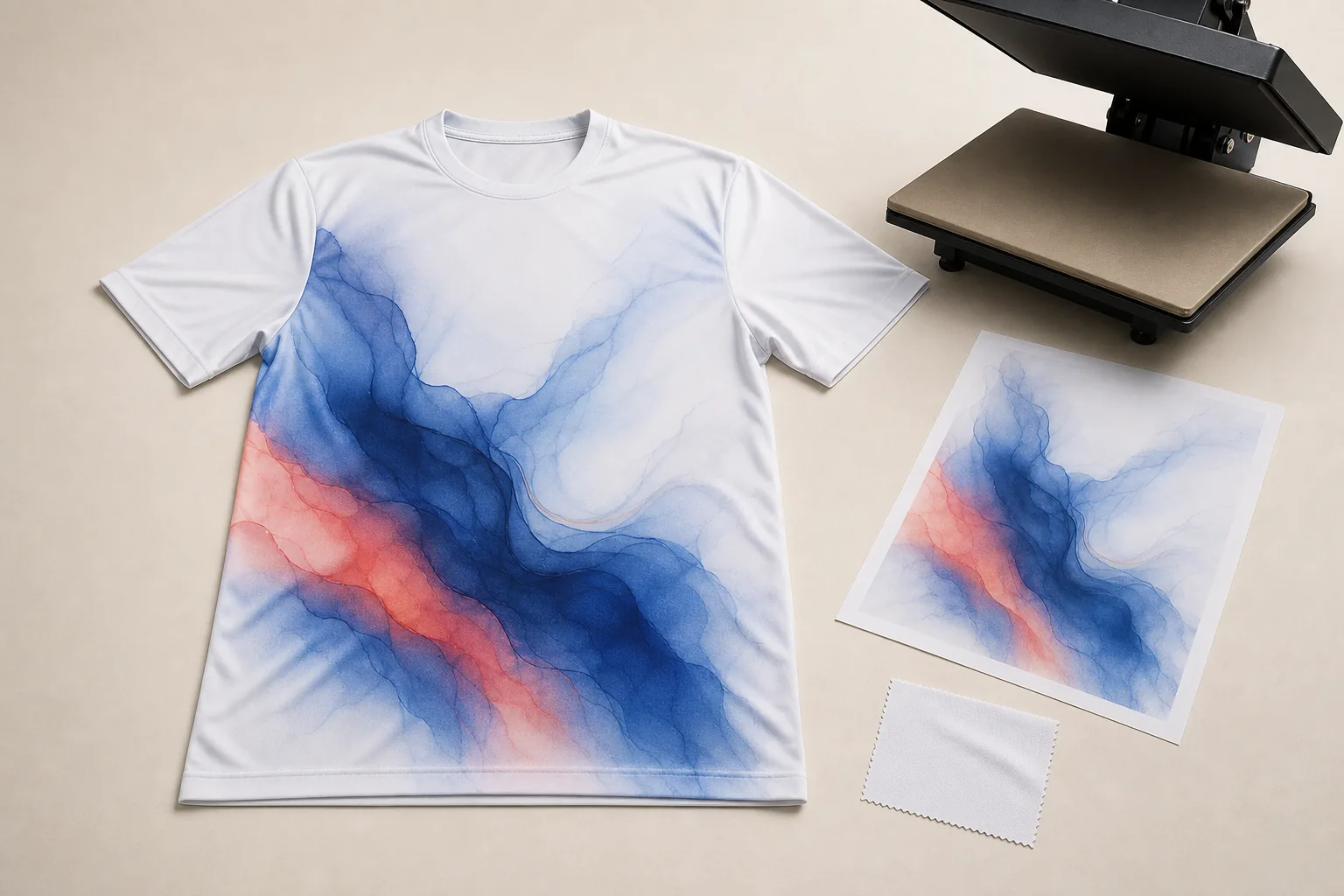
| Sublimation | Dye within compatible polyester | Fabric and color can fade, abrade, pill, or change even though there is no peelable surface film | Fiber percentage, base color, named system, outdoor use, sample |
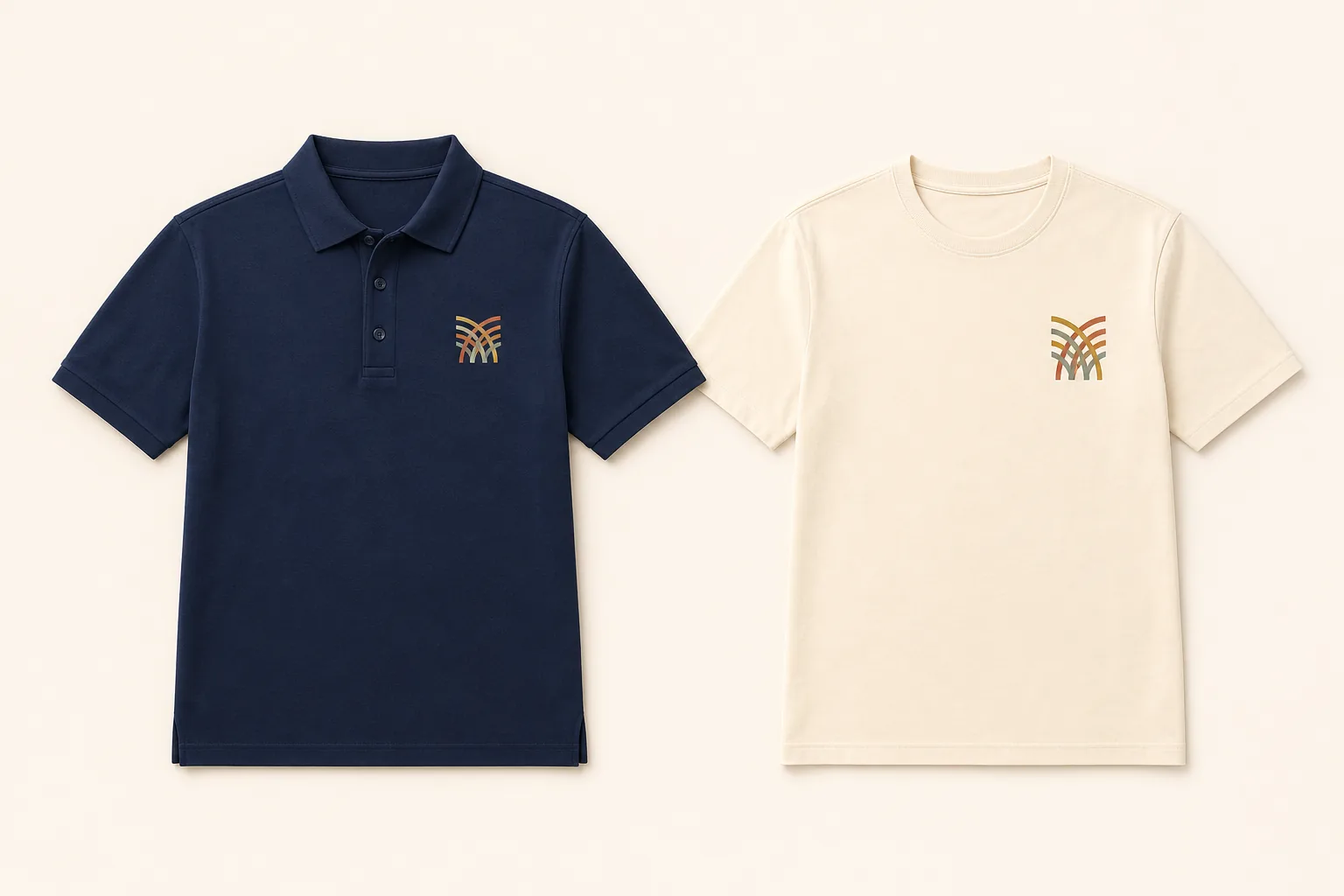
| Embroidery | Thread stitched through the garment | Thread can snag, abrade, break, or pucker an unsuitable garment | Stitch count, backing, placement, garment stability, edge finish |
| HTV | Cut film bonded with heat and pressure | Edges can lift or film can crack when the product, substrate, application, or care do not match | Exact film, substrate, pressing, first-wash delay, product-specific care |
ScreenPrinting.com’s current production guide says a finished screen print must be fully cured and recommends stretch and wash testing because an under-cured print can crack or wash out. Epson’s current sublimation guidance keeps white or light polyester as the strongest traditional starting point, while Siser’s product instructions illustrate why HTV application and laundering directions must be tied to the exact film.
No row is automatically “best.” If the production route is still open, use the two-question print-method chooser and compare the same garment, artwork, quantity, use, testing, and written care instructions.
Seven questions to ask before approving a group order
- What is the exact garment style, fiber content, color, and fabric treatment?
- What exact decoration system will be used on this garment?
- How large and solid is each print, and how many locations are included?
- Was the chosen garment and color tested for adhesion, curing, or dye migration?
- What visible result counts as a production defect or rework?
- What written care instructions apply to the finished decorated garment?
- Can the supplier show a decorated sample, close-up, or relevant wash-test basis?
For high-wear uniforms, fundraising merchandise, or annual reorders, record these answers with the approved mockup and keep the same garment and decoration specification for the reorder. A method name alone is not a specification.
How to wash custom shirts without guessing
Start with the garment’s care label and the decorator’s written instructions for the finished product. If they conflict, ask the supplier to resolve the difference in writing before production.
Custom Ink’s current care page gives a conservative baseline across screen print, digital print, and embroidery: turn the garment inside out, machine wash cold, use a gentle cycle, avoid ironing the decorated area, and tumble dry low or lay flat. Transfer manufacturers may publish different instructions for a specific product; STAHLS’ current application sheet shows why the transfer system and substrate must be identified instead of copied into one blanket rule.
In the United States, the FTC Care Labeling Rule requires covered manufacturers and importers to provide regular-care instructions backed by a reasonable basis. For an organizer, the practical takeaway is simple: keep the care label and order-specific decoration instructions with the final specification.
How Togethread handles durability decisions
Togethread uses DTF for suitable detailed full-color designs and embroidery for suitable compact marks. Before production, the written quote and mockup confirm the selected garment, decoration route, dimensions, locations, quantity, destination, delivery scope, and any known exceptions.
If durability is a priority, include the wear conditions, wash frequency, outdoor exposure, and whether the garments are uniforms or one-event apparel in the brief. We can then discuss the exact blank, artwork coverage, decoration, and care expectations instead of promising a generic wash count.
FAQ
How many washes should a custom shirt print last?
There is no honest universal number from the method name alone. Ask for evidence tied to the exact garment, decoration system, artwork coverage, and care procedure.
Does DTF crack or peel?
It can fail early when film, adhesive, curing, pressure, garment treatment, dye migration, or care are mismatched. A compatible and correctly applied transfer can perform well, but “DTF” by itself does not establish durability.
Is sublimation impossible to fade?
No. Sublimation does not create a peelable surface film on compatible polyester, but color and fabric can still change through UV exposure, abrasion, stretching, washing, or material wear.
Is embroidery always the most durable option?
Not automatically. Thread does not crack like ink, but unsuitable stitch density, backing, placement, garment structure, abrasion, or care can create snags, broken thread, or puckering.
Should I order a wash-tested sample?
For a large, high-wear, unusual-fabric, outdoor, or repeat program, a decorated sample or relevant test basis can reduce risk. Confirm what is being tested, the care procedure, and what result counts as acceptable.